










Inside AVIRE’s Managed Lift Emergency Communication Service

As lift emergency communication systems evolve, building owners, facilities teams and lift companies are facing increasing pressure to maintain reliable connectivity, support compliance requirements and reduce operational disruption.
The transition away from analogue infrastructure, combined with growing expectations around remote monitoring and system visibility, means lift emergency communication is no longer simply about installing an emergency telephone. Modern systems now depend on digital connectivity, cloud-based monitoring and ongoing operational oversight.
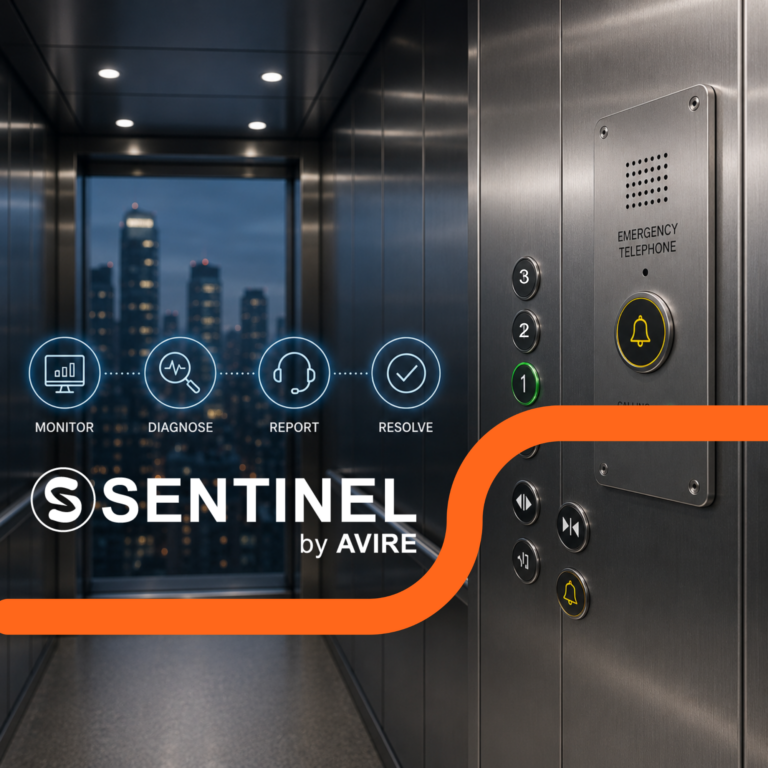
That is where AVIRE’s SENTINEL service comes in.
Built around AVIRE’s digital communication technologies and AVIRE Hub monitoring platform, SENTINEL provides additional operational support designed to help customers simplify deployment, maintain visibility and manage lift emergency communication systems more efficiently.
In this article, we take a practical look at what actually happens when you sign up for SENTINEL, from device preparation and installation through to monitoring, diagnostics and ongoing support.
Table of Contents
What Is SENTINEL?
SENTINEL is AVIRE’s managed lift emergency communication service.
It combines:
- Digital lift emergency communication hardware
- Managed connectivity
- AVIRE Hub monitoring
- Technical support
- Device configuration
- Installation assistance
- Remote diagnostics
- Operational monitoring support
The service works alongside AVIRE technologies including:
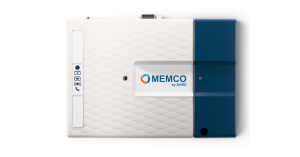
DCP
(Digital Communication Platform)
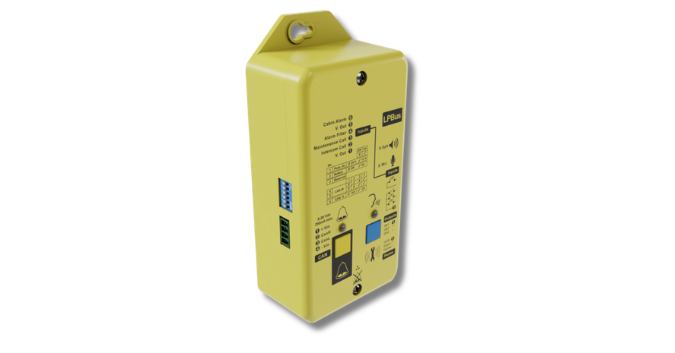
DAU
(Digital Alarm Unit)
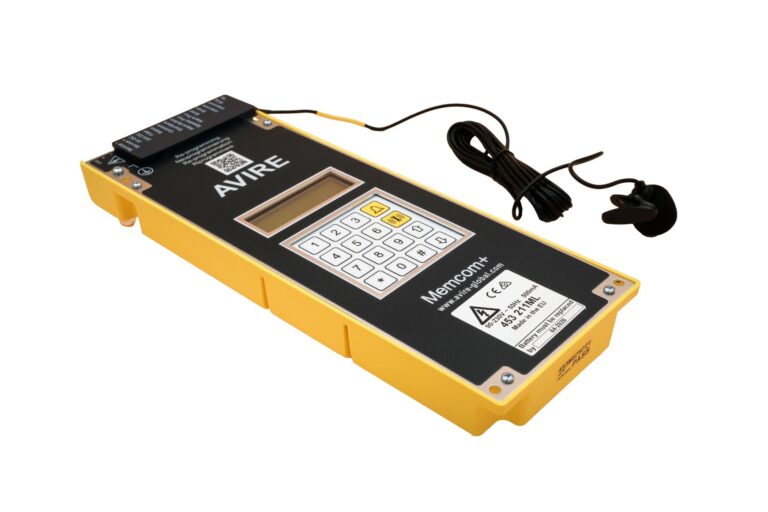
MEMCOM emergency telephones
AVIRE Hub
Together, these solutions help support reliable emergency communication across a wide range of lift environments.
Why Lift Emergency Communication Has Changed

Modern lift emergency communication systems are more connected than ever before.
As the industry prepares for the PSTN switch-off and increasing digitalisation, emergency communication systems now rely on:
- Mobile network connectivity
- SIM management
- Remote monitoring
- Firmware updates
- Device health tracking
- Cloud-based visibility
For building owners and lift operators, this creates a new challenge: maintaining communication reliability over time, not just during installation.
That is why many organisations are looking for solutions that combine connected technology with practical operational support.
Step 1: Devices Are Prepared Before Installation
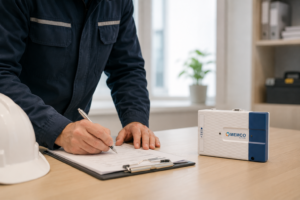
One of the key advantages of SENTINEL begins before equipment reaches site.
When an order is placed, devices are prepared and configured in advance to help streamline deployment for engineers.
Depending on project requirements, this preparation can include:
- SIM assignment and activation
- Device registration
- Alarm number programming
- APN configuration
- Firmware updates
- Device labelling
- Tracking documentation
- Preparation of accessories such as wiring looms and antennas
Each device can also be linked to a specific building and lift, helping maintain visibility throughout deployment and future support.
For engineers, this reduces the amount of manual setup required on site. For customers, it helps create a more consistent installation process across multiple buildings or lift portfolios.
Lift Systems Often Require Different Configurations
Lift emergency communication systems are not always configured the same way across every site.
Different lift manufacturers may require:
- Different alarm trigger settings
- Specific wiring configurations
- Different installation approaches
- Alternative communication behaviours
By configuring devices before installation, AVIRE helps reduce commissioning complexity and supports smoother deployment.
This pre-configuration approach also supports faster “Quick Fit” installations, allowing engineers to focus on fitting and testing rather than extensive device programming on site.
Step 2: Installation and Commissioning
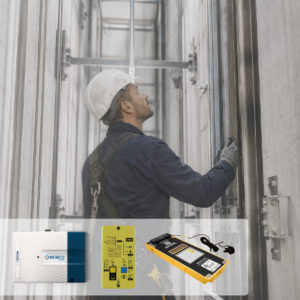
Once devices arrive on site, installation is typically carried out by lift engineers or lift maintenance providers.
Because systems are pre-configured, engineers can focus on:
- Installing the device
- Connecting wiring
- Positioning antennas
- Testing signal quality
- Completing commissioning checks
Signal strength remains an important part of the installation process. Correct antenna positioning and device placement help support stable connectivity and reliable communication performance.
If engineers encounter issues during commissioning, AVIRE’s technical team can provide remote support, including:
- Connectivity checks
- Configuration validation
- Alarm routing verification
- Signal troubleshooting
- Guidance during testing
This helps reduce delays and supports a smoother installation process.
Step 3: Devices Are Connected Through AVIRE Hub
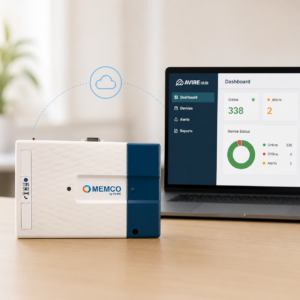
Following installation, devices can be monitored through AVIRE Hub.
AVIRE Hub provides visibility into connected lift communication systems, including:
- Device status
- Alarm activity
- Connectivity information
- Event history
- Site management
- User access controls
This allows facilities teams, building owners and lift providers to monitor systems across one or multiple sites from a central platform.
Many organisations use AVIRE Hub directly to manage their systems internally.
SENTINEL builds on these capabilities by adding operational support services for customers who want additional assistance with monitoring, diagnostics and fault coordination.
Step 4: The Seven-Day Validation Process
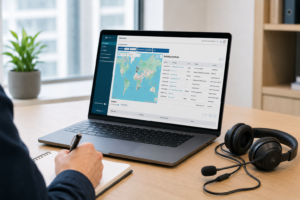
Following installation, devices enter a seven-day validation period designed to confirm that systems are operating correctly under real-world conditions.
During this stage, AVIRE’s technical team monitors:
- Signal strength
- Connectivity stability
- Battery performance
- Mains status
- Device heartbeat activity
- Overall communication reliability
This process helps identify potential issues early, such as:
- Weak GSM signal
- Antenna positioning problems
- Intermittent power faults
- Battery connection issues
- Communication inconsistencies
If required, engineers or maintenance providers may be advised to:
- Reposition antennas
- Adjust device placement
- Investigate power issues
- Carry out remedial checks
The goal is to help ensure systems are functioning reliably before moving into standard operational monitoring.
Step 5: Ongoing Monitoring and Technical Support
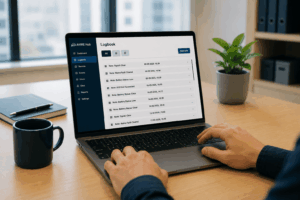
Once the validation stage is complete, monitoring continues through AVIRE Hub and associated support processes.
For customers using SENTINEL, AVIRE’s technical team can assist with reviewing and diagnosing issues such as:
- Devices going offline
- Repeated fault activity
- Connectivity interruptions
- Unusual device behaviour
- Abnormal usage patterns
This may involve:
- Reviewing event history
- Analysing connectivity information
- Checking SIM activity
- Performing remote diagnostics
- Identifying likely causes before site attendance is required
By gathering information early, engineers attending site can often arrive with a clearer understanding of the issue.
This can help improve troubleshooting efficiency and reduce unnecessary repeat visits.
Supporting Engineers During Fault Resolution

Another important part of the SENTINEL service is technical support during both installation and ongoing maintenance.
Where required, engineers can contact AVIRE’s technical team for assistance with:
- Device setup
- Configuration questions
- Connectivity troubleshooting
- Alarm routing
- Fault diagnostics
- Remedial investigations
This collaborative approach helps support quicker issue resolution while giving maintenance providers additional technical insight when investigating faults on site.
Supporting Compliance and System Reliability
Reliable emergency communication plays an important role in wider lift safety and compliance strategies.
Maintaining visibility into communication systems can help support:
- EN81-28 emergency communication requirements
- Operational testing procedures
- Digital migration planning
- Maintenance coordination
- Lift uptime objectives
By combining connected hardware, cloud-based visibility and operational support, AVIRE solutions help customers maintain oversight of lift emergency communication systems throughout their lifecycle.
How AVIRE Hub and SENTINEL Work Together
AVIRE Hub sits at the centre of the SENTINEL service.
The platform provides the monitoring and visibility tools needed to manage modern lift communication systems, while SENTINEL adds optional operational support services around those capabilities.
Depending on customer requirements, SENTINEL can include:
- Device preparation and configuration
- Managed connectivity support
- Seven-day validation monitoring
- Remote diagnostics
- Technical triage
- Engineer support coordination
This flexibility allows customers to choose the level of support that best fits their organisation and operational structure.
Some organisations prefer to manage systems directly through AVIRE Hub, while others choose SENTINEL for additional support with monitoring and operational coordination.
Both approaches are designed to support reliable digital lift emergency communication management.
A More Connected Approach to Lift Communication Management
As lift communication systems continue to evolve, many organisations are looking for ways to improve visibility, simplify maintenance and reduce reactive troubleshooting.
Connected technologies, combined with monitoring and technical support, can help create a more proactive approach to lift emergency communication management.
By combining DCP, MEMCOM, AVIRE Hub and SENTINEL services, AVIRE provides flexible solutions that support different operational needs, whether customers prefer direct platform visibility, additional managed support or a combination of both.
Ready to Modernise Your Lift Emergency Communication Strategy?
Whether you are preparing for the PSTN switch-off, upgrading legacy lift emergency phones or looking for greater visibility across your lift portfolio, AVIRE offers flexible solutions designed to support your operational goals.
With AVIRE Hub, customers gain powerful monitoring and management capabilities for connected lift communication systems.
With SENTINEL, customers can also access additional operational support, including device preparation, validation monitoring, remote diagnostics and technical coordination.
Speak to the AVIRE team today to discuss the right approach for your buildings, lift portfolio and long-term lift communication strategy.