











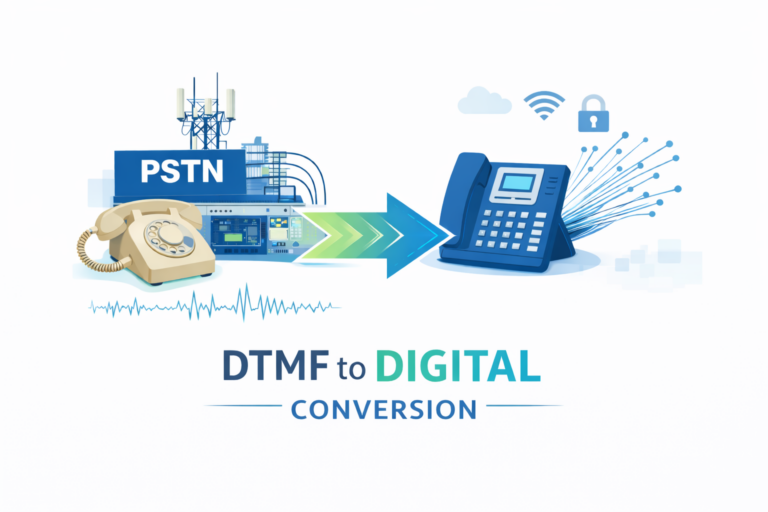
The UK’s Public Switched Telephone Network, or PSTN, is being withdrawn as telecoms infrastructure moves to all-IP connectivity. For lift emergency communication systems that still rely on analogue pathways and DTMF signalling, this is not simply a network update. It is a critical change that affects reliability, compliance and long-term service continuity.
Many legacy lift emergency telephones and autodiallers still depend on analogue DTMF transmission over copper lines or voice networks. As these traditional pathways are phased out, systems that have not been adapted for digital transmission become more vulnerable to distortion, failed calls and reduced visibility.
Why DTMF to digital conversion matters now
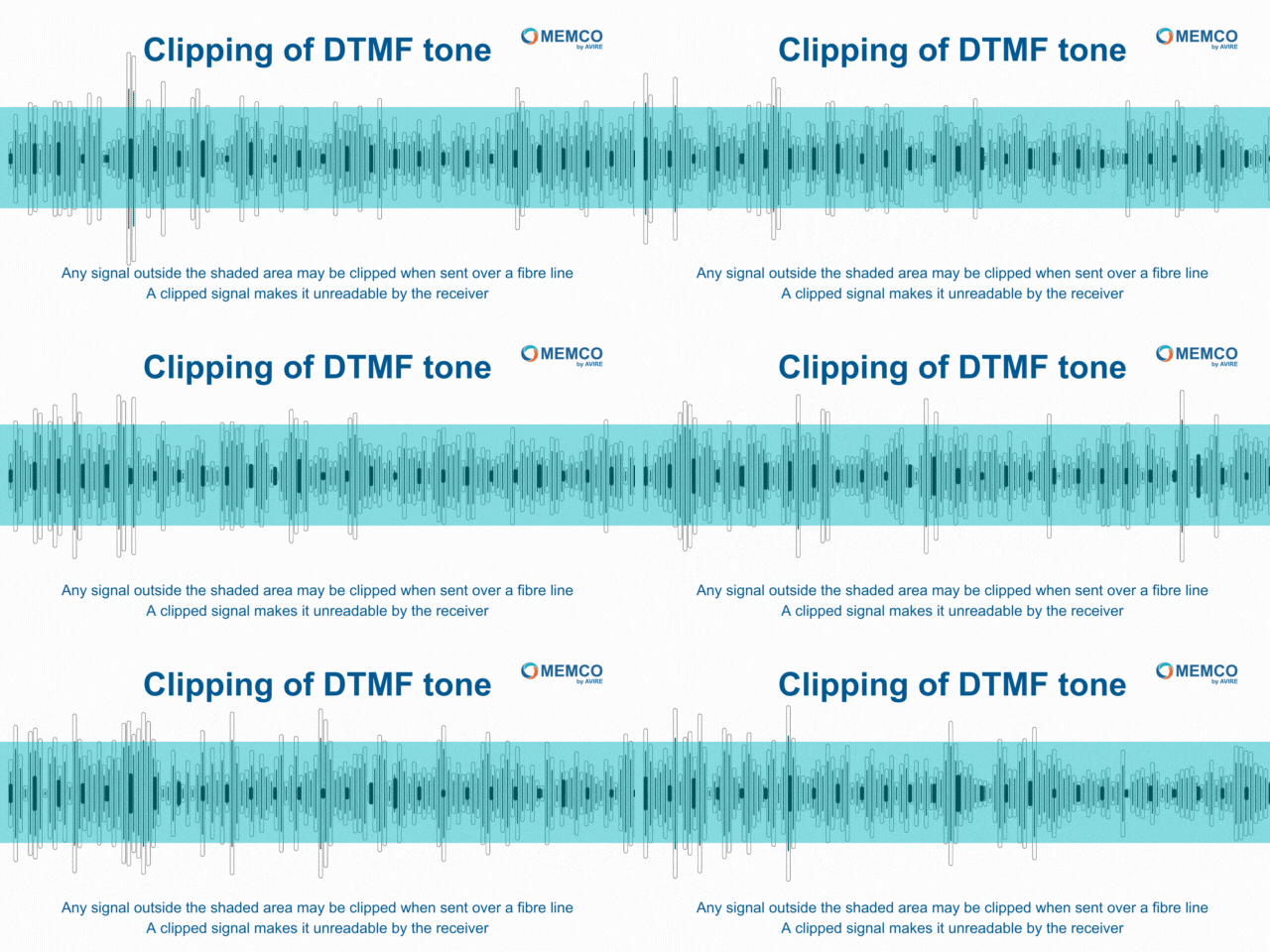
DTMF has long been used to support call signalling and communication workflows in lift emergency systems. However, if emergency calls and test call signalling still rely on traditional voice pathways, the system is increasingly exposed to signal distortion, failed calls and regulatory risk.
This matters because digital telecoms networks do not behave in the same way as legacy analogue networks. A system that was once dependable over PSTN may not deliver the same performance once those network conditions change.
How the PSTN switch-off affects lift emergency communication systems
As PSTN and legacy voice-based transmission are retired, lift communication systems that continue to rely on analogue signalling face a growing risk of reduced performance. In practice, that can mean unreliable emergency calling, inconsistent signalling and lower confidence in the system’s ability to perform when needed.
For building owners, facility managers and lift service providers, the challenge is not only maintaining connection. It is also maintaining compliance, system visibility and resilience in a post-PSTN environment.
A digital approach to DTMF transmission
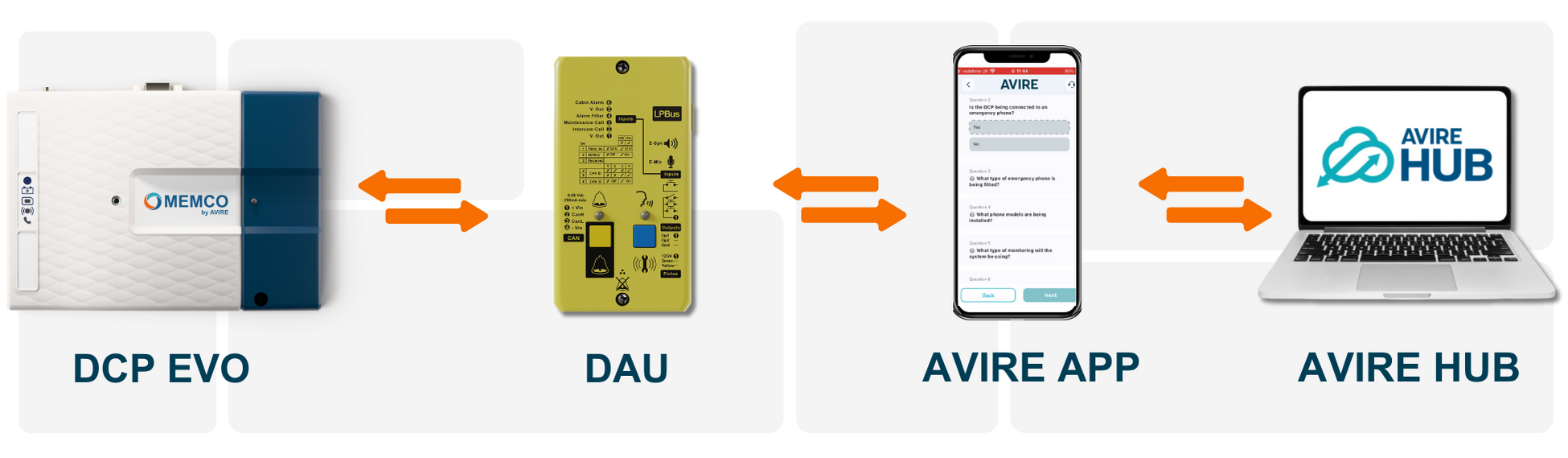
AVIRE’s approach with the DCP Evo is to replace analogue pathways with secure, digital transmission. The DCP Evo combines a cellular gateway, emergency telephone interface and remote monitoring gateway in one device, supporting lift emergency communications as networks move beyond PSTN.
Key capabilities include:
- Native support for VoIP and VoLTE over 4G data
- DTMF-to-digital conversion at the source to avoid distortion and signal loss over legacy voice channels
- Remote configuration and monitoring via the AVIRE Hub or mobile app
- TLS encryption for secure data communication
- Built-in battery backup for resilience during power interruptions
- Compatibility with existing analogue handsets using the P100 protocol
Together, these features support a more dependable platform for managing lift emergency communications in a digital network era.
Why digital conversion performs better than transparent gateways
DTMF to digital conversion with a transparent gateway
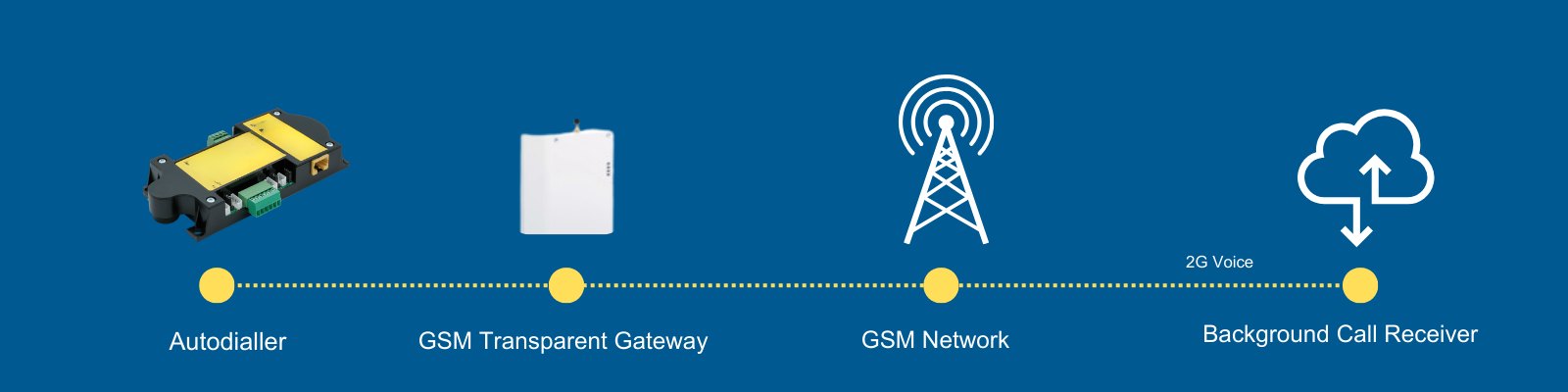
Because the signalling remains dependent on legacy voice behaviour, transparent gateways can be more vulnerable to distortion, compression and handover issues.
DTMF to digital conversion with the AVIRE DCP and DAU
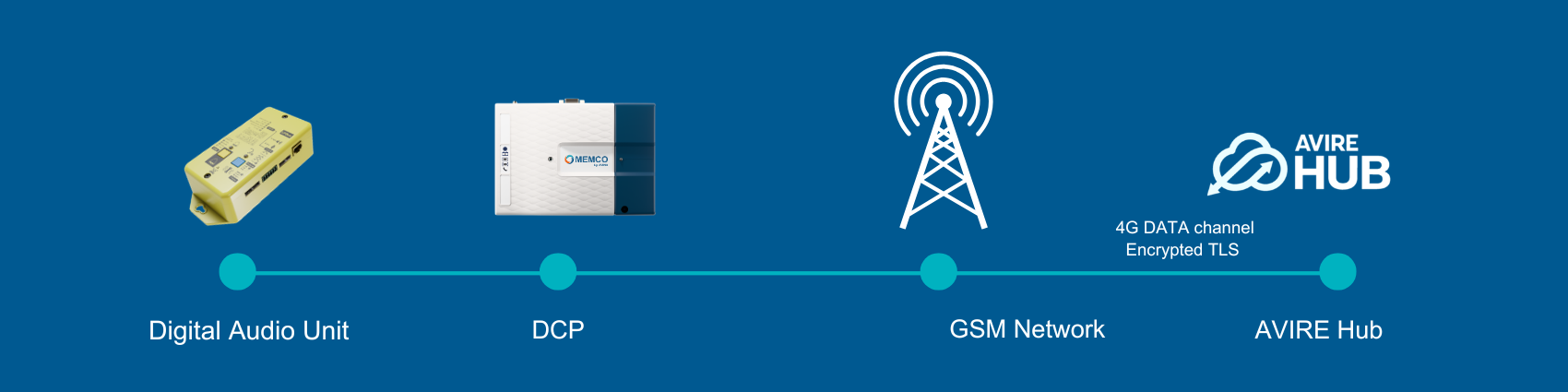
When used with a Digital Audio Unit, or DAU, instead of an analogue telephone, DTMF tones are digitised immediately. This enables upstream digitalisation of the communication system and helps reduce transmission errors.
Transparent gateways
- DTMF transmission over legacy voice networks
- Limited support for VoIP and VoLTE
- Greater exposure to compression and handover issues
- Basic or limited remote configuration
AVIRE DCP Evo
- Digital conversion and data transport
- Native VoIP and VoLTE support for all-IP networks
- Digital packets help preserve signal integrity
- Full remote management and monitoring

Compliance and system visibility
- Background test calls and status reports are transmitted as secure data rather than distorted voice signals
- Alerts and logs are visible in real time via AVIRE Hub
- Remote configuration can reduce downtime and unnecessary engineer visits
This supports greater visibility and helps maintain EN 81-28 compliance as networks evolve.

Ready for the post-PSTN era
The transition to digital telecom infrastructure is permanent. Systems built around analogue signalling will become increasingly unreliable if they are not adapted for modern network conditions.
DCP Evo replaces legacy telephony with secure DTMF-to-digital transmission, helping protect lift safety, compliance and long-term operational resilience.
Final thoughts
The PSTN switch-off is changing the conditions that many lift emergency communication systems were originally built for. If analogue signalling remains in place, the risk to reliability and compliance will only grow.
By moving DTMF transmission into a secure digital environment, organisations can reduce signal risk, improve visibility and prepare more confidently for the next phase of telecoms infrastructure.
Need help reviewing your current setup?
If you are reviewing your lift estate in light of PSTN switch-off, AVIRE specialists can assess your current setup and advise on a compliant, future-ready upgrade path.