









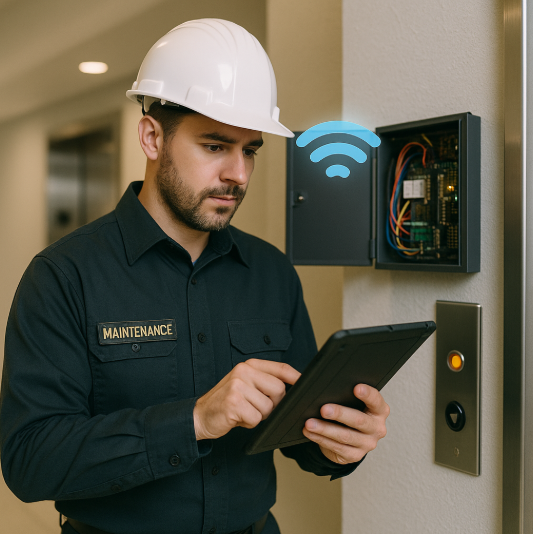
As building infrastructure modernizes and traditional phone lines continue to disappear, one technology has stepped up to ensure emergency communication remains reliable, compliant, and future-ready: the cellular gateway.
Originally developed as a replacement for legacy analog lines, cellular gateways have rapidly transformed into sophisticated, multi-functional devices. They now deliver both voice and high-speed data through a single SIM card. But how did we get here, and what comes next?
From Phone Line Replacement to Integrated Infrastructure
When cellular gateways first emerged, their primary purpose was to replace aging copper lines and reduce costs for building owners. These early versions served a singular function – keeping analog emergency phones connected when traditional landlines were no longer available.
Today, that role has expanded significantly. Cellular gateways now serve as the communication backbone for a wide range of life safety systems, including:
- Elevator emergency phones
- Two-way communication systems in stairwells
- Lobby and machine room communication systems
Modern gateways provide simultaneous voice and data connectivity, integrated battery backup, and real-time SIM and signal monitoring. They are designed for plug-and-play installation with no need for extensive rewiring.
Driving Forces Behind the Shift
Several key factors have accelerated the evolution of cellular gateways:
- Decline of POTS Lines: With many telecom providers phasing out traditional analog services, building owners are seeking dependable, code-compliant alternatives.
- Greater Connectivity Needs: Life safety systems require more than voice communication. Data transmission is now essential for remote monitoring and diagnostics.
- Tighter Compliance Requirements: Updated codes like ASME A17.1, NFPA 72, IBC, and FCC regulations mandate more sophisticated communication solutions with backup power and failover assurance.
- Installation Constraints: Many facilities cannot accommodate extensive infrastructure upgrades. Cellular gateways offer a fast and cost-effective solution that minimizes disruption.
What’s Next: The Future of Cellular Gateways
As building systems continue to converge, cellular gateways are evolving into smarter, more integrated solutions. Key trends include:
- 5G Connectivity: Faster speeds and lower latency will open doors for real-time system alerts, video diagnostics, and advanced remote monitoring.
- Dynamic Carrier Switching: Gateways that automatically switch to the strongest available carrier will reduce downtime and improve system reliability.
- Cybersecurity Enhancements: As more data is transmitted over cellular networks, secure communication protocols and encrypted connections will become essential.
- Modular Expansion: Flexible, scalable systems will allow building managers to grow their infrastructure without replacing core hardware.
AVIRE’s Vision for Smarter Communication
AVIRE sees the future of emergency communication as wireless, intelligent, and fully compliant. That vision is reflected in our 8100-V4G Voice & Data Cellular Gateway, designed to meet both current demands and future expectations.
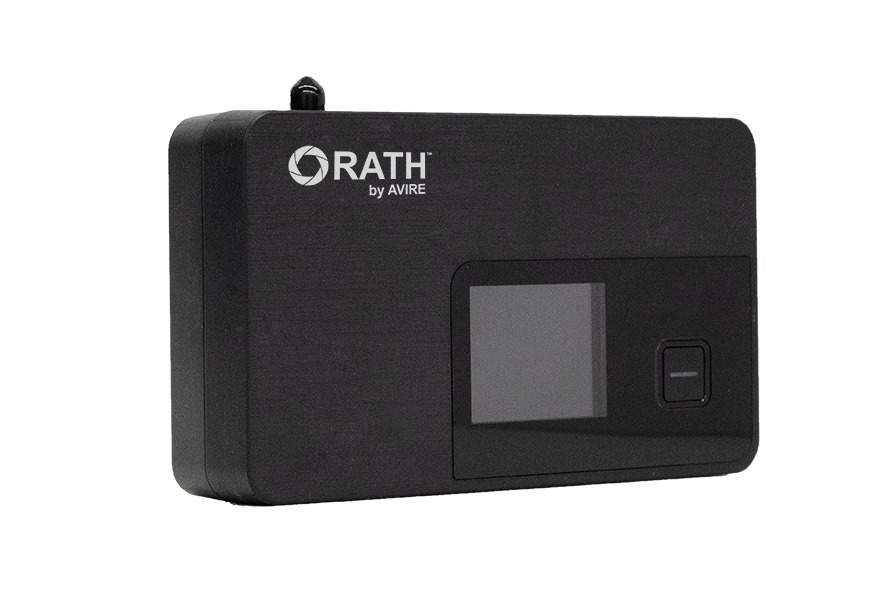
Key features include:
- All-in-one functionality for analog voice and high-speed data.
- Battery backup that provides four hours of talk time during power loss.
- Easy plug-and-play installation without major rewiring.
- Built-in SIM and signal monitoring for proactive maintenance.
Compatibility with all major U.S. carriers including AT&T, Verizon and T-Mobile. Whether you are replacing outdated infrastructure, upgrading elevator systems, or enhancing your building’s life safety communications, AVIRE offers solutions that keep you connected when it matters most.
Talk with an expert today: https://www.avire-global.com/en-us/contact/