





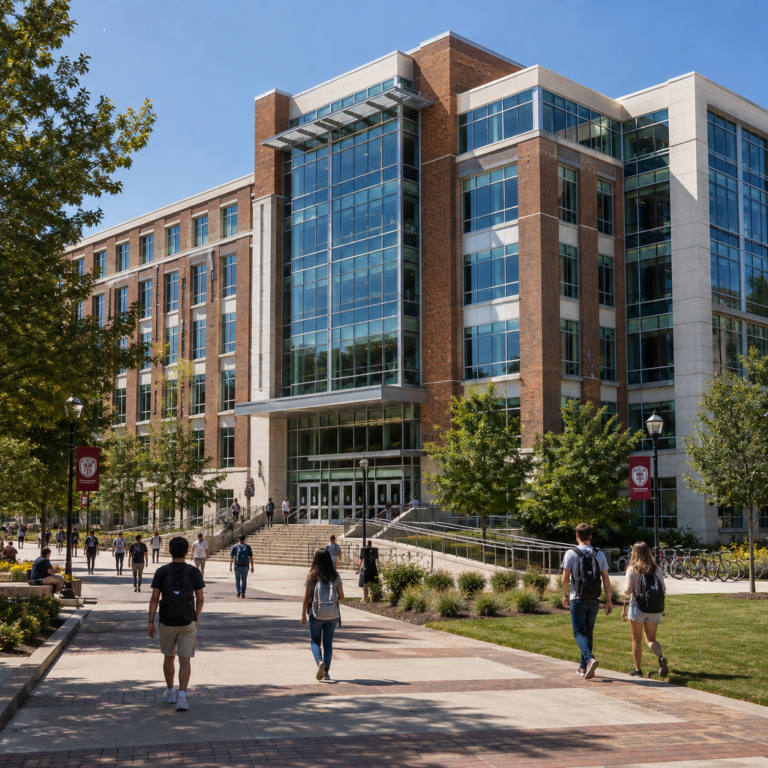
As students return to classrooms and campuses fill up for another school year, safety is once again top of mind. Fire alarms, evacuation plans, security systems, and emergency drills are all important parts of school preparedness, but effective emergency communication should also be part of the conversation.
For multi-story schools, universities, and large educational campuses, emergency communication can become especially complex. Facility teams may need to consider how occupants request assistance, how people communicate from inside an elevator, and whether first responders can maintain reliable radio communication throughout a building.
Here are several areas facility teams should consider when evaluating emergency communication across their campus…
1) Consider the Needs of Occupants Who May Require Assistance
During an emergency, not every occupant may be able to use the stairs or evacuate without assistance. Multi-story educational buildings need to account for students, employees, and visitors with varying mobility and accessibility needs. Where required by applicable building and life safety codes, two-way emergency communication systems provide a way for occupants at designated locations to communicate with authorized personnel and request assistance.
Facility teams should understand where two-way communication stations are required, how emergency calls are received and managed, and whether existing systems provide clear, reliable communication. Signage and instructions should also be easy to understand and accessible to the people who may need to use the system. If a building has undergone renovations, additions, or changes in use, it may also be time to reevaluate whether the existing emergency communication system still meets the facility’s needs and applicable requirements.
2) Evaluate Elevator Emergency Communication
Elevators introduce another important communication consideration. If an elevator becomes disabled or a passenger is trapped, that passenger needs a reliable way to request assistance. Traditional elevator phones have long provided voice communication, but current accessibility requirements may require additional communication capabilities in certain applications, including solutions that support both voice and visual communication.
Schools and universities should include elevator communication systems when reviewing their overall emergency preparedness, especially during new construction and modernization projects. An elevator upgrade is a good opportunity to evaluate whether existing emergency communication equipment meets current requirements rather than carrying older technology into a newly modernized elevator.
3) Make Sure First Responders Can Communicate Throughout the Building
Emergency communication isn’t limited to communication between building occupants and facility personnel. Firefighters and other first responders also depend on reliable radio communication while responding to an incident. Large educational buildings can contain areas where public safety radio signals are weakened by building materials, below-grade spaces, stairwells, mechanical areas, or the overall size and construction of the facility.
When required, a Public Safety Distributed Antenna System (DAS) helps provide reliable in-building radio coverage for emergency responders. Because requirements can vary by jurisdiction, facility teams should work with the Authority Having Jurisdiction (AHJ) to understand local radio coverage requirements and determine whether coverage testing or a Public Safety DAS is needed.
4) Look Beyond Individual Buildings
For large schools and universities, emergency communication planning shouldn’t stop at the entrance to each building. A single campus may include newly constructed facilities alongside buildings that have been in use for decades. Some may have multiple stories and elevators, while others may be smaller or serve completely different functions. Those differences can affect both the applicable requirements and the types of emergency communication systems needed.
Taking a campus-wide approach can help facility teams identify inconsistencies and potential gaps across their buildings. New construction, renovations, additions, and elevator modernizations are particularly good opportunities to review existing life safety infrastructure and determine whether emergency communication systems should also be updated.
5) Ask the Right Questions
Emergency communication requirements can vary depending on the building, jurisdiction, adopted code editions, and project scope. A good starting point is understanding what systems are already in place and whether they continue to meet the needs of the facility.
Facility teams should be asking:
- How would an occupant who cannot use the stairs request assistance during an emergency?
- Where are two-way emergency communication stations required?
- Do our elevators provide the required emergency communication capabilities?
- Can first responders maintain reliable radio coverage throughout the building?
- Have renovations or additions changed our emergency communication needs?
- When were our existing systems last evaluated or tested?
6) Take a Campus-Wide Approach to Emergency Communication
Effective emergency preparedness requires more than a single alarm or communication system. For multi-story schools and large educational campuses, it means considering how occupants, facility personnel, and first responders will communicate when an emergency occurs. Looking at two-way emergency communication, elevator communication, and public safety radio coverage together can help facility teams identify potential gaps and build a more complete approach to life safety.
AVIRE provides emergency communication solutions for educational facilities, including two-way communication systems, elevator emergency communication, and public safety distributed antenna systems.
Have questions about emergency communication requirements for your school or campus?
Contact our team to discuss your facility and determine the right approach for your project.